
The logistics industry in an essential component of the global economy, with rail transport playing a fundamental role in this area. Railway logistic operators are key parts in the supply chain as they provide specialised services to help improve the efficiency of all kinds of freight.
Here we explore the crucial role that railway logistic operators play in the supply chain and how they contribute to moving freight at national and international level.
What are rail logistics operators?
Railway logistics operators are companies that specialise in planning, managing, and carrying out rail transport operations. Their main goal is to improve the flow of goods through the railway network in an efficient and profitable way.
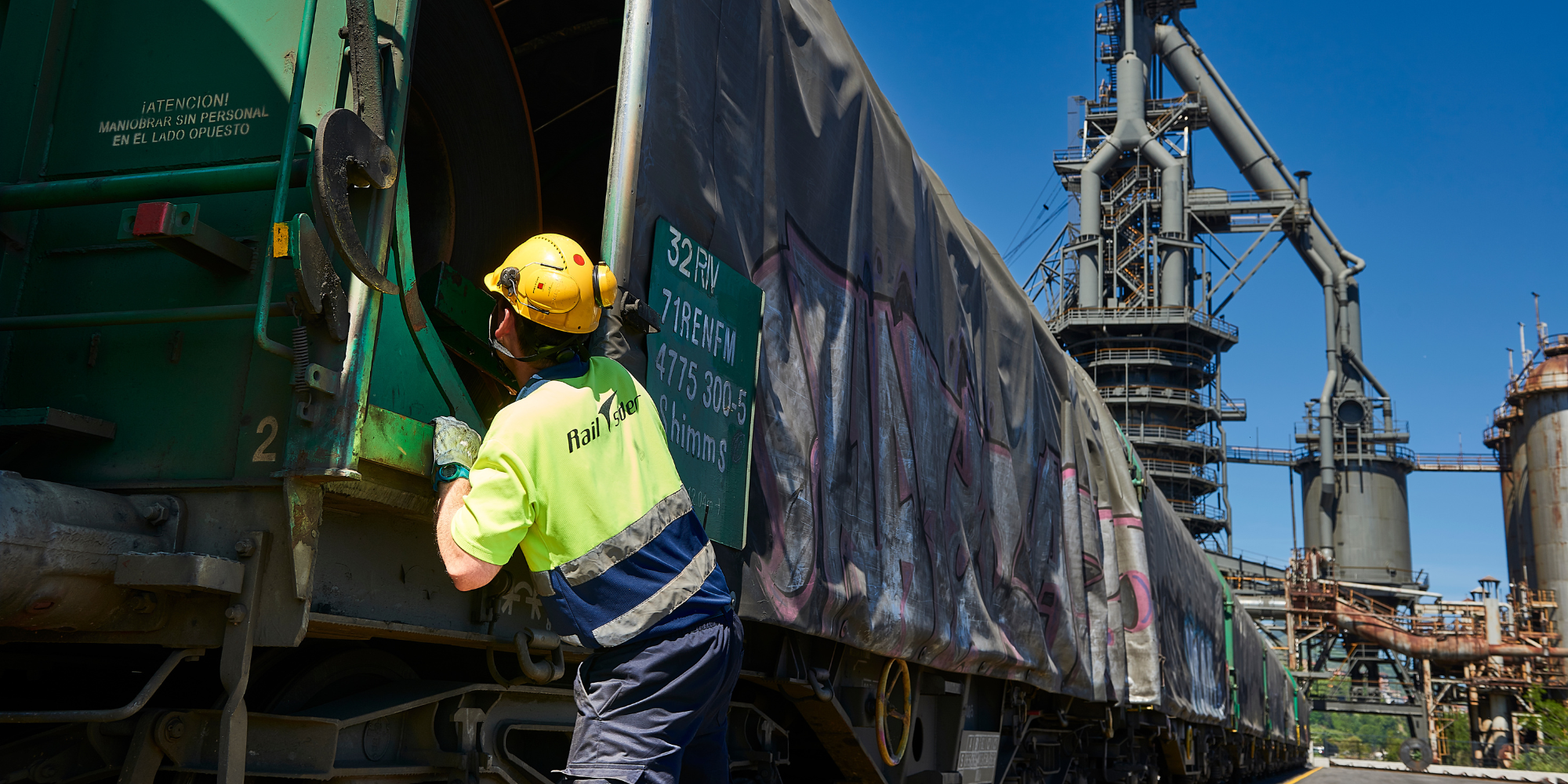
Why is rail transport important in the supply chain?
Rail transport has formed an integral part of the supply chain for over a century. It offers significant advantages such as the capacity to transport large cargo over long distances in an efficient and cost-effective way. Rail transport also respects the environment as it emits less carbon emissions compared to other modes of transport such as road transport.
Rail transport is used by a variety of industries, including the automotive industry, mining, agriculture, and construction. The supply chain benefits from the efficiency that rail transport provides in moving raw materials, finished products, and bulk cargo.
What are the main functions provided by rail logistics operators?
Route planning
Rail logistics operators are experts in planning efficient railway routes. They take factors such as distance, transit time, freight constraints, and tariffs into account when determining the best route for a specific cargo.
Freight management
Rail logistics operators load and unload merchandise on and off the trains in a safe and efficient manner. This involves coordinating with loading and unloading centres, as well as ensuring the goods are properly labelled and documented.
Timetable coordination
Being on time is as key aspect of road transport. Logistics operators work closely alongside rail companies to ensure the trains leave on time and reach their destination on time, an essential part of maintaining the efficiency of the supply chain.
Monitoring and visibility
Logistics operators provide real-time visibility to their clients on the location and status of their goods when in transit. This means that the supply chain can be managed more accurately and is able to respond to any changes in plans.
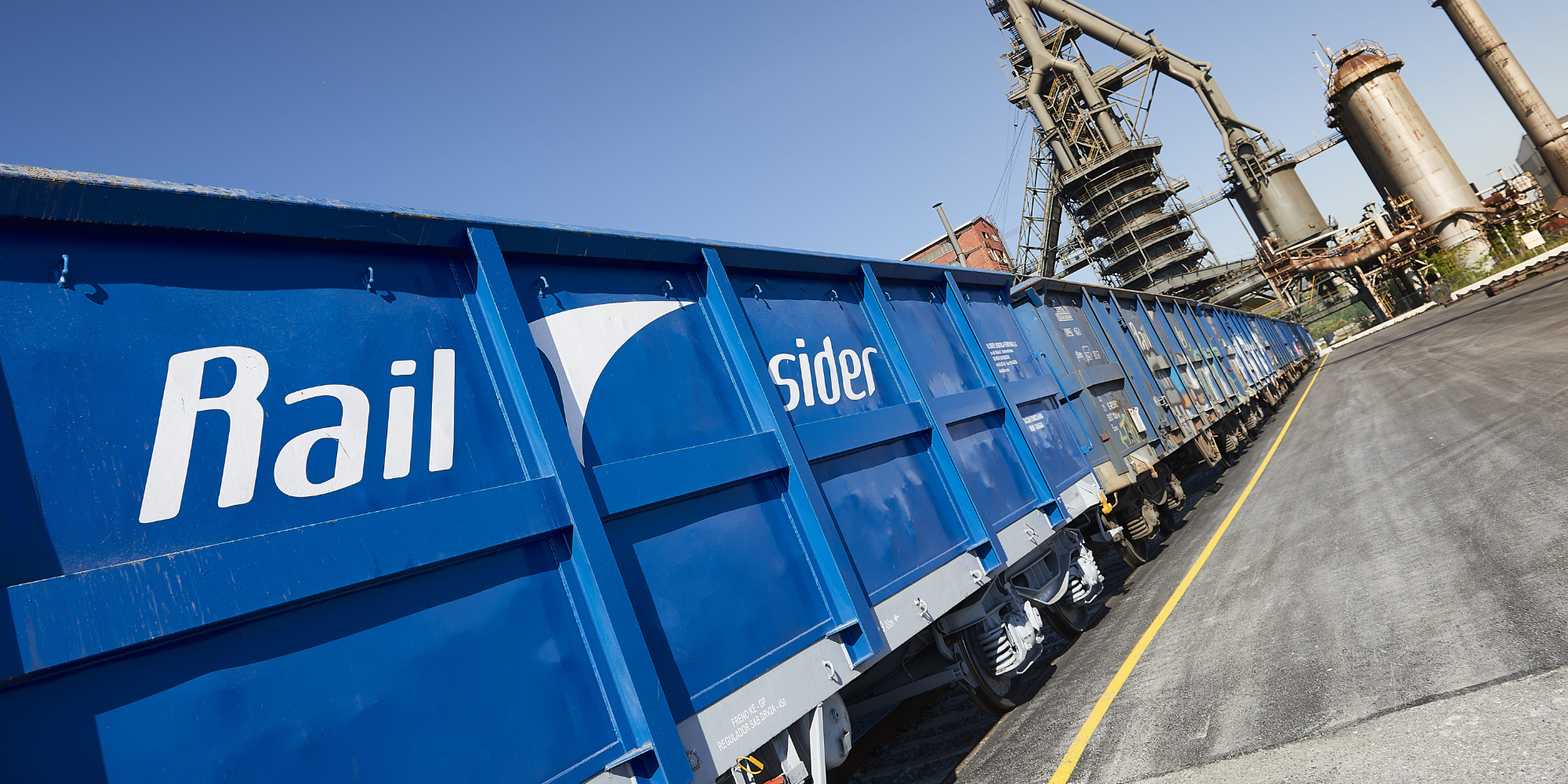
What are the advantages of working with rail logistics operators?
Working with a railway logistics operator can bring multiple advantages to companies and the supply chain in general, such as:
Cost-effectiveness
Rail transport is a cost-effective way to transport large volumes of goods over long distances. Logistics operators help to optimise routes and reduce costs.
Sustainability
Rail is an environmentally friendly way of transporting goods, as it emits less carbon than other modes of transport. This can help companies to meet their sustainability goals.
Freight capacity
Large freight volumes can be transported by rail, making it an attractive option for companies that need to move heavy items or bulk goods.
Reliability
Railway logistics operators are experts in sticking to the schedule, ensuring reliability. This is crucial to maintaining consistency across the supply chain.
Rail transport, with the help of rail logistics operators, continues to be an essential option in modern logistics; it offers environmental and economic benefits to companies from a wide range of industries. Railsider's strength in maritime transport, extensive experience in rail freight transport, and leadership as a railway logistics operator, position us as the leading inter-modal operator in Spain.