
The rail freight transport in Europe is a major pillar of the global economy. With a vast rail network connecting countries across Europe and beyond, this transport system plays a vital role in logistics efficiency and international trade.
Next, we will delve into the relevance of rail freight transport in Europe, its evolution over time and its contribution to economic growth and sustainability.
Development of rail transport in Europe
The history of rail transport in Europe dates back to the 19th century when the first railway lines were built in the UK and later in other parts of the continent. The early railway networks were primarily to transport passengers but their potential for long-haul freight transport rapidly began to be tapped into.
As Europe industrialised and international trade grew, rail networks expanded and improved. Tunnels and bridges were built to overcome geographical barriers, while tracks and wagons were standardised in most countries of Europe to facilitate cross-border transport; with Spain being the only country to maintain its track gauge. This investment in rail infrastructure created the basis for the international rail freight transport we know today.
Economic relevance of the rail freight transport in Europe
Rail freight transport plays a crucial role in European and global economy for several reasons:
Logistics efficiency
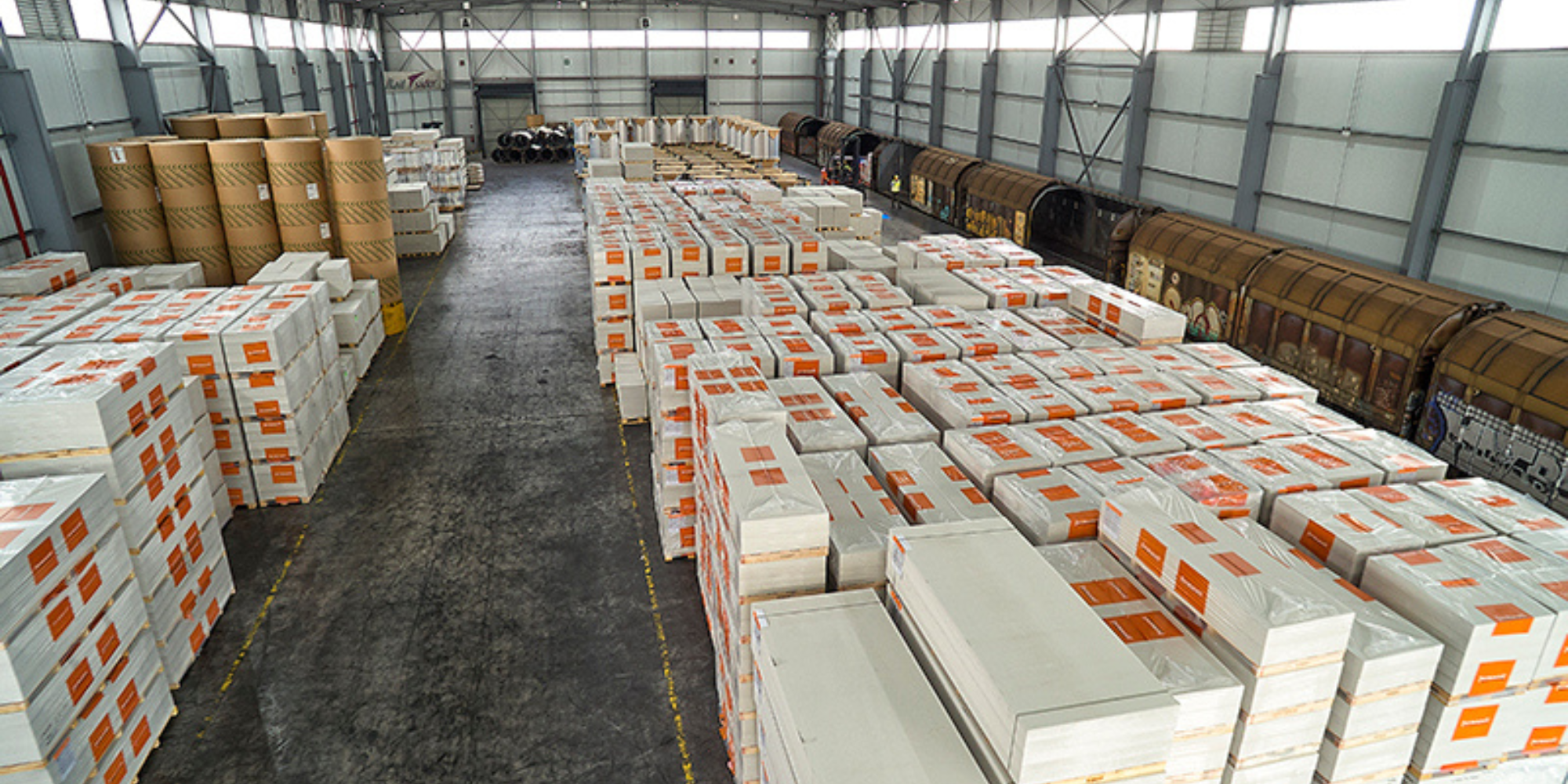
Rail transport is an efficient option for moving large volumes of goods, and especially over long distances. Freight trains can transport large quantities of goods at a time, reducing shipping costs and carbon footprint compared to other modes of transport such as road or sea.
International connections
The European rail network connects countries across the continent, enabling smooth and fast trade between nations. This fosters economic integration and international cooperation.
In fact, a series of strategically positioned facilities have been created to carry out cross-border operations using axle and wagon change systems to overcome the different track gauges between Spain and the rest of the continent.
Environmental Sustainability
Rail transport is a more environmentally friendly option than other means of transport, as it emits fewer greenhouse gases per unit of cargo transported. This is crucial in a world increasingly focused on sustainability and emission reduction.
Reduced road congestion
Moving freight from road to rail reduces motorway congestion and improves road safety.
Challenges faced by the international rail freight transport
Despite its benefits, rail freight also faces some challenges. One of the main challenges is competition with other means of transport, such as road and maritime transport. To maintain competitiveness, rail transport has invested in advanced technologies, such as fleet management systems and more efficient freight trains.
In addition, constant efforts are being made to improve interoperability between the different national rail systems in Europe. This includes the implementation of common signalling and electrification standards, as well as variable axle systems to facilitate cross-border transport.
The future of the rail freight transport in Europe
The rail freight transport in Europe is in a strong position to play a key role in the global economy of the future. Since more sustainable and efficient solutions for freight transport are sought, rail represents an attractive alternative.
Continued investments in infrastructure, implementation of advanced technologies and cooperation between European countries are essential to ensure ongoing growth and prosperity of rail freight in Europe.
Railsider and its Border and International Operations
Having facilities in line with demand and the capacity to adapt to the needs of the national and international markets is of vital importance for a logistics operator.
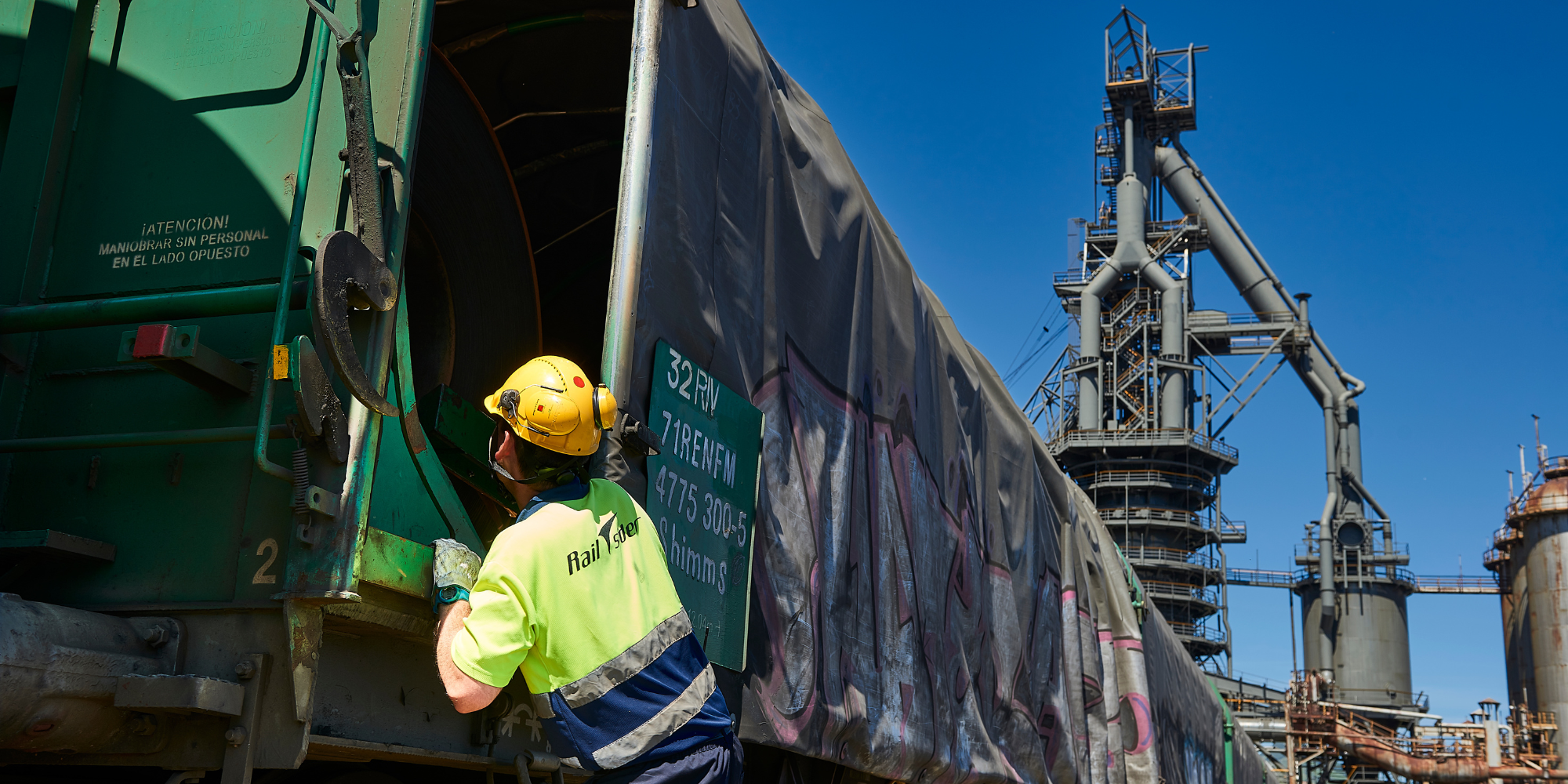
Railsider operates from two hubs covering the entire peninsula and linking Spain with the rest of Europe in a much more efficient way to fully satisfy the needs of our customers.