
Rail transport has been an essential component of logistics worldwide for more than two centuries. The ability to move large volumes of goods in an efficient and sustainable manner has continued to be important over time.
However, for rail transport to be truly efficient, an effective freight storage system is essential. Therefore, here we will explore the importance of freight storage in the context of rail transport and how current practices are looking to improve the efficiency and sustainability of doing this.
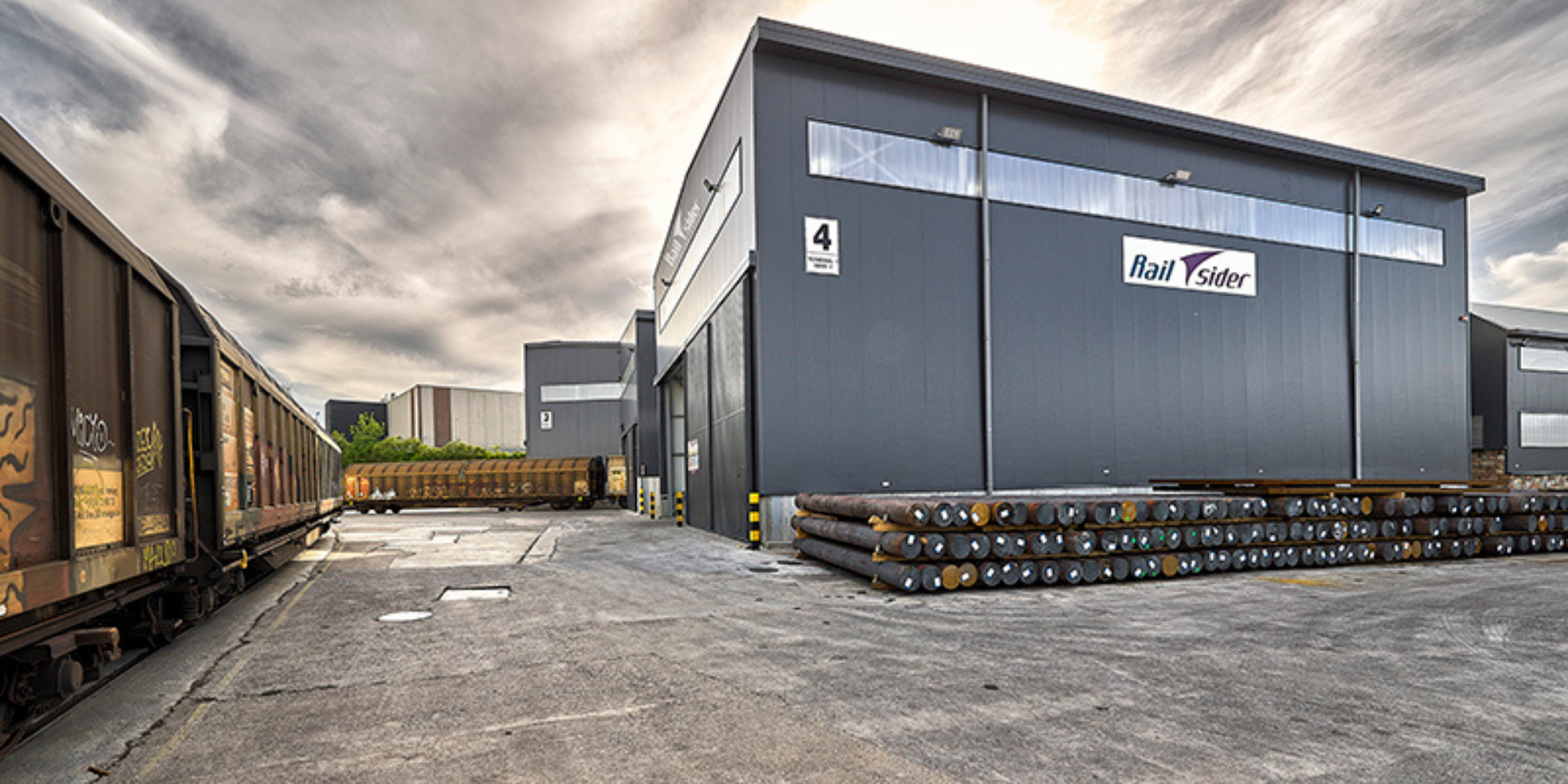
The Importance of Goods Storage
Goods storage plays a crucial role in the supply chain, and rail transport is no exception. For railways to be competitive and efficient, they need to have appropriate storage facilities to make it possible to consolidate, sort and distribute goods efficiently.
These are some key points that highlight the importance of storage for rail transport:
Optimisation of Loads
Goods storage makes it possible to optimise loads before loading train wagons. This is essential when it comes to maximising the space available on trains and reducing transport costs. The ability to consolidate goods in one place prior to shipment ensures that wagons are filled to capacity, thereby improving efficiency while reducing their carbon footprint.
Flexibility and Connectivity
Rail storage facilities are not only consolidation points, but also connection points between different modes of transport. This makes it easier to distribute goods to final destinations, and to transfer goods efficiently, which saves companies time and money.
Handling Special Goods
Rail transport is used to move a wide range of goods, from chemical products to hazardous materials and oversized cargo. Goods storage at specialised facilities ensures compliance with safety regulations and the avoidance of serious accidents. This is essential both for the safety of workers and to protect the environment.
Reduction in Waiting Times
Well-organised rail storage significantly reduces waiting times. Companies can schedule and optimise the loading and unloading of goods according to their needs, thereby minimising delays and ensuring a constant flow of goods. This is particularly important in industries that depend on the timely and reliable delivery of goods.
Strategies for Efficient Goods Storage in Rail Transport
Within the context of rail transport, there are key strategies that can help improve the efficiency and sustainability of goods storage:
Inventory Management Technology
The implementation of advanced inventory management systems, such as the use of barcodes and RFID, makes it possible to track stored goods accurately and in real time. This not only improves efficiency, but also reduces the risk of losing or damaging products.
Intermodal storage
Intermodal storage facilities are an essential component of the modern supply chain. These facilities make it possible to transition goods seamlessly between different modes of transport, thereby saving time and money and reducing congestion on the roads. Overall efficiency is improved by promoting collaboration between the various logistics actors.
Automation
Automation, such as the use of autonomous transport systems and robots for loading and unloading, can significantly speed up storage processes. These solutions make it possible to handle goods faster and more accurately, which reduces waiting times and increases operational efficiency.
Sustainable Energy
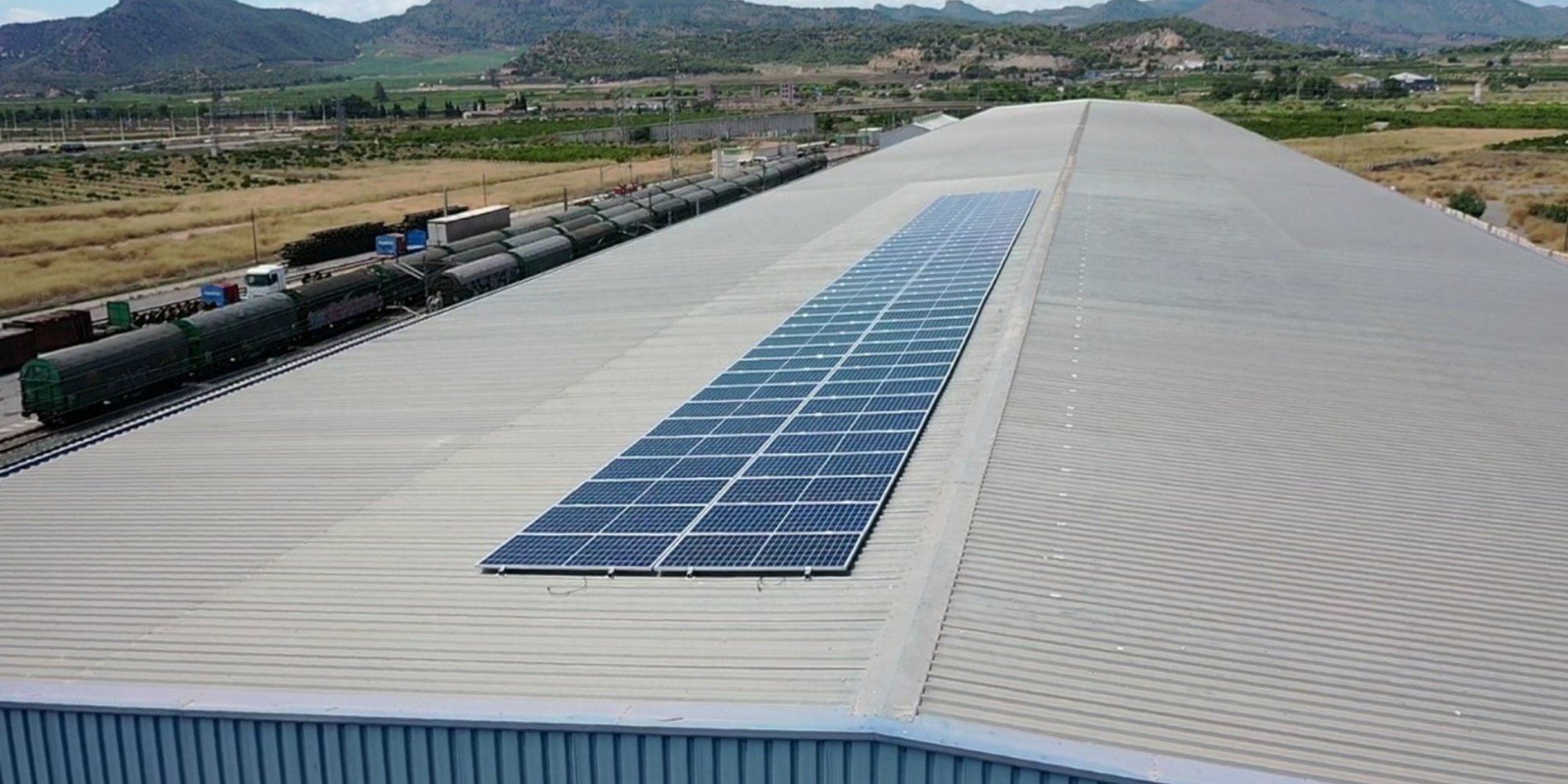
Rail storage facilities can adopt sustainable energy sources, such as solar panels or wind power, to reduce their carbon footprint. The electrification of railways can also contribute to more sustainable rail transport by reducing dependence on fossil fuels.
Sustainability in Rail Goods Storage
Sustainability is a crucial aspect of modern logistics and goods storage. Various practices can be implemented to make rail transport more sustainable:
Optimisation of Routes
Efficient route planning and consolidating loads at storage facilities helps to reduce the number of kilometres travelled and, therefore, carbon emissions.
Sustainable Containers and Packaging
Encouraging the use of sustainable containers and packaging helps to reduce waste and promotes environmentally friendly practices throughout the supply chain.
Use of Clean Energy
The electrification of railways and the use of clean energy at storage facilities, such as our Júndiz terminal, contribute significantly to reducing greenhouse gas emissions.
Combined Passenger and Freight Rail Transport
Encouraging combined transport, where trains carry both passengers and freight, helps to make a more efficient use of rail infrastructure and reduce emissions per tonne transported.
The storage of goods is an essential component in rail transport, and contributes significantly to the efficiency and sustainability of this means of transport. At Railsider, we have more than 150,000 m2 of covered warehouses to meet all your goods storage needs.