
Rail logistics has become one of the cornerstones of global supply chains, making it possible to transport goods efficiently and safely over great distances. This transport system offers a number of advantages that contribute to the optimisation of logistics chains, thanks to its ability to move large volumes of freight over extensive rail networks.
Here, we will look at how rail logistics have evolved to become a key part of goods distribution, and the trends and technologies that are modernising this sector.

Evolution of rail logistics
The rail transport system has its roots in the 19th century, when steam locomotives first started to connect cities and regions, revolutionising the way in which goods and people moved. Rail networks expanded over the years to connect countries and continents, which made it possible for goods to flow on a larger scale. However, over time, the rise of road transport and aviation seems to be threatening this type of transport.
Advantages of Rail Logistics
Despite the challenges, rail transport has adapted to the changing demands of the global economy. One of its main advantages is its ability to move large volumes of goods efficiently. Goods trains can transport tonnes of goods along extensive routes, thereby reducing transport costs compared to road or air transport.
Rail transport is also more environmentally friendly compared to other transport methods. Trains emit less greenhouse gases per tonne transported, which helps to reduce the carbon footprint in the supply chain. This has become even more important at a time when sustainability and environmental responsibility are at the heart of business and governmental concerns.
Current Trends and Technologies in Rail Logistics
Rail transport has embraced technology to improve its efficiency and competitiveness in the market. One of the most notable trends is the implementation of real-time management and monitoring systems. These systems make it possible for companies to monitor the location and status of their freight in real time, which in turn facilitates informed decision making and more efficient route planning.
Automation is another area that is constantly evolving in rail logistics. The introduction of autonomous freight trains promises to increase efficiency and reduce operating costs by cutting down on the need for human drivers over great distances. This could also lead to increased safety, as autonomous technology is designed to minimise risks linked to human error, taking rail transport to a new level of safety and reliability.
Challenges and Future Opportunities
Although rail transport has advanced significantly, it still faces challenges that require innovative solutions.
Rail infrastructure
Rail infrastructure in some regions may be outdated or underdeveloped, which limits the ability of freight trains to access certain areas. Investment in modernising the infrastructure is essential if the potential of rail logistics is to be realised to the full.
Differences between Iberian and international track gauges
One of the biggest challenges in Spain is coping with the change of gauge between Spain and other European countries. Some of the solutions that have been developed to this end are axle and wagon interchange systems, using a number of strategically positioned facilities to carry out this type of operation.
Freight transport by air or road
Finally, competition from other modes of transport is still a reality. The industry needs to continue to demonstrate its value in terms of efficiency, cost and sustainability if it is to remain a significant part of the global logistics landscape.
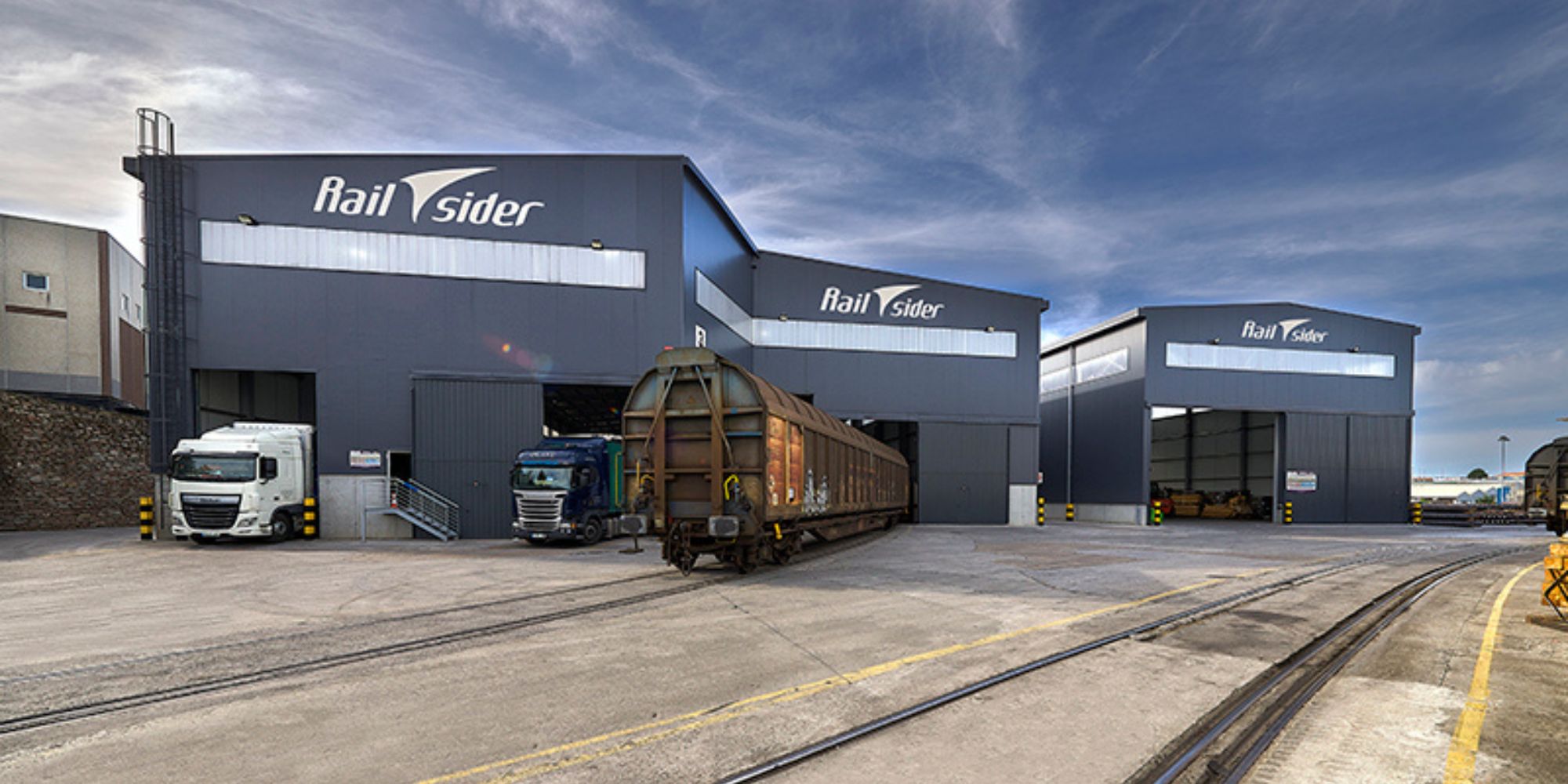
Railsider, Spain's leading rail logistics operator
Railsider has the experience and infrastructure required to provide tailor-made logistics services, ranging from rail and intermodal transport, warehousing and storage to in-house logistics process management and improvement.